


 The plant’s oil glands, located in its leaves, release a distinctive aroma when crushed.
Traditionally, indigenous Khoisan communities used Buchu leaves to make infusions for urinary tract support and digestive relief. Modern herbal medicine recognizes Buchu as a mild 1001 Nächte Massageöl often included in blends for maintaining kidney and bladder health. However, its use requires caution due to potential interactions with certain medications.
Today, sustainable harvesting practices are essential to protect wild Buchu populations. Cultivation efforts help meet commercial demand while preserving this valuable botanical heritage for future generations.
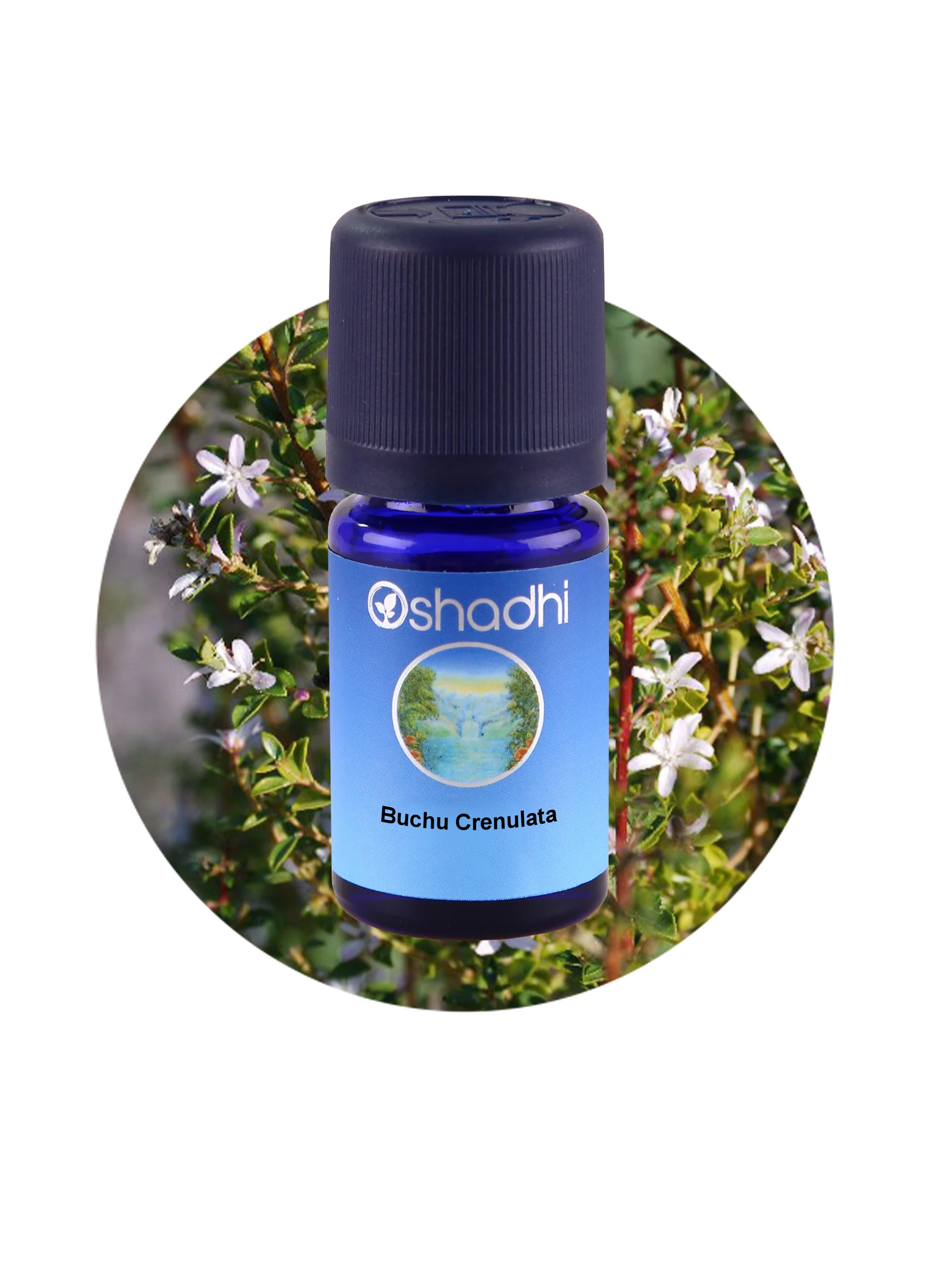
Buchu Crenulata
2026-11-06 07:42:09
### Buchu Crenulata – Heilkraut mit traditioneller Bedeutung
Buchu Crenulata, scientifically known as *Agathosma crenulata*, is an evergreen shrub native to the Western Cape region of South Africa. It thrives in mountainous fynbos ecosystems and produces small, fragrant white or pale pink Buchu Crenulata The plant’s oil glands, located in its leaves, release a distinctive aroma when crushed.
Traditionally, indigenous Khoisan communities used Buchu leaves to make infusions for urinary tract support and digestive relief. Modern herbal medicine recognizes Buchu as a mild 1001 Nächte Massageöl often included in blends for maintaining kidney and bladder health. However, its use requires caution due to potential interactions with certain medications.
Today, sustainable harvesting practices are essential to protect wild Buchu populations. Cultivation efforts help meet commercial demand while preserving this valuable botanical heritage for future generations.
The plant’s oil glands, located in its leaves, release a distinctive aroma when crushed.
Traditionally, indigenous Khoisan communities used Buchu leaves to make infusions for urinary tract support and digestive relief. Modern herbal medicine recognizes Buchu as a mild 1001 Nächte Massageöl often included in blends for maintaining kidney and bladder health. However, its use requires caution due to potential interactions with certain medications.
Today, sustainable harvesting practices are essential to protect wild Buchu populations. Cultivation efforts help meet commercial demand while preserving this valuable botanical heritage for future generations.
Kommentar